
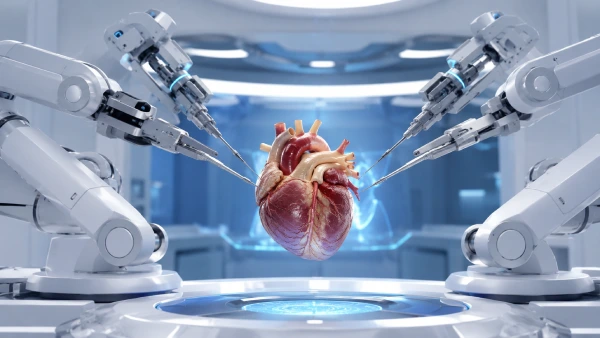
Heart surgery has evolved significantly over the past two decades, and one of the most remarkable advancements is Robotic Cardiac Surgery. This innovative surgical approach allows experienced heart surgeons to perform complex procedures with exceptional precision using robotic-assisted technology. Compared to conventional open-heart surgery, robotic cardiac surgery often involves smaller incisions, less pain, reduced blood loss, shorter hospital stays, and faster recovery.
For many patients diagnosed with heart valve disease, coronary artery disease, or other cardiac conditions, robotic surgery offers a safer and more comfortable treatment option. Under the expert care of Dr. Arunanshu Dhole, patients receive advanced, patient-centered cardiac treatment using the latest surgical techniques to achieve the best possible outcomes.
What Is Robotic Cardiac Surgery?
Robotic Cardiac Surgery is a minimally invasive surgical technique in which the surgeon operates using robotic-assisted instruments controlled from a specialized surgical console. Rather than making a large incision through the breastbone, several tiny incisions are created between the ribs.
The robotic system translates the surgeon’s hand movements into extremely precise movements of miniature surgical instruments. A high-definition 3D camera provides a magnified view of the heart, allowing greater visualization and accuracy throughout the procedure.
It is important to understand that the robot does not perform surgery independently. Every movement is fully controlled by the surgeon, combining human expertise with advanced technology.
Conditions That Can Be Treated with Robotic Cardiac Surgery
Robotic-assisted cardiac surgery can be used to treat a wide range of heart conditions, including:
- Mitral valve repair and replacement
- Coronary artery bypass surgery (selected patients)
- Atrial septal defect (ASD) closure
- Cardiac tumor removal
- Tricuspid valve repair
- Heart rhythm procedures
- Selected congenital heart defects
Not every patient is a suitable candidate. A comprehensive evaluation, including imaging studies and diagnostic tests, helps determine whether robotic surgery is the best option.
How Does the Procedure Work?
Before surgery, patients undergo a complete cardiac assessment that may include echocardiography, CT scans, blood investigations, and other diagnostic tests.
During the procedure:
- General anesthesia is administered.
- Small keyhole incisions are created on the chest.
- A high-definition robotic camera is inserted.
- Miniature robotic instruments are positioned through additional ports.
- The surgeon controls every instrument from a nearby console.
- After completing the procedure, the instruments are removed and the tiny incisions are closed.
The advanced robotic platform allows highly precise surgical movements while minimizing trauma to surrounding tissues.
Benefits of Robotic Cardiac Surgery
Patients often experience several important advantages compared to traditional open-heart surgery.
Smaller Incisions
Only a few small incisions are required instead of a large chest opening, resulting in minimal scarring.
Less Pain
Smaller incisions generally cause less postoperative discomfort and reduce the need for pain medication.
Reduced Blood Loss
The precision of robotic instruments often minimizes bleeding during surgery, lowering the likelihood of blood transfusions.
Lower Risk of Infection
Because the surgical wounds are smaller, patients may experience a lower risk of wound-related complications.
Faster Recovery
Most patients return to daily activities sooner compared to conventional heart surgery.
Shorter Hospital Stay
Many patients are discharged within a few days, depending on their overall health and recovery progress.
Excellent Surgical Precision
The robotic platform offers enhanced visualization and precise instrument control, supporting optimal surgical outcomes.
Who Is a Good Candidate?
Robotic cardiac surgery may be recommended for patients who:
- Require mitral valve repair
- Have selected coronary artery disease
- Need minimally invasive cardiac procedures
- Are medically fit for robotic surgery
- Wish to achieve faster recovery with smaller incisions
Every patient receives an individualized evaluation before treatment decisions are made.
Recovery After Robotic Heart Surgery
Recovery is generally faster than traditional open-heart surgery.
During recovery, patients are advised to:
- Walk regularly as recommended.
- Take prescribed medications.
- Attend scheduled follow-up appointments.
- Maintain a heart-healthy diet.
- Avoid smoking and excessive alcohol consumption.
- Participate in cardiac rehabilitation if advised.
Many patients can gradually resume work and everyday activities within a few weeks, depending on the complexity of the procedure.
Potential Risks
Although robotic cardiac surgery is considered safe when performed by experienced surgeons, every surgical procedure carries some risks.
Possible complications may include:
- Bleeding
- Infection
- Irregular heart rhythm
- Blood clots
- Reaction to anesthesia
- Stroke (rare)
Your surgeon will discuss all potential risks and expected benefits before surgery.
Preparing for Robotic Cardiac Surgery
Patients can prepare by:
- Completing all recommended investigations.
- Discussing current medications with the surgical team.
- Following fasting instructions before surgery.
- Stopping smoking if applicable.
- Arranging transportation and home support during recovery.
Why Choose Dr. Arunanshu Dhole?
Choosing an experienced cardiothoracic and vascular surgeon is one of the most important decisions for successful heart treatment.
Dr. Arunanshu Dhole provides comprehensive cardiac care with a strong focus on:
- Advanced robotic cardiac surgery
- Minimally invasive heart procedures
- Evidence-based treatment plans
- Compassionate patient care
- Modern surgical technology
- Personalized recovery guidance
Every patient receives individualized care designed to achieve the safest procedure and the best possible long-term heart health.
Frequently Asked Questions
Is robotic cardiac surgery safe?
Yes. When performed by an experienced cardiothoracic surgeon, robotic cardiac surgery is considered a safe and effective treatment option for carefully selected patients.
Will the robot perform the surgery on its own?
No. The robotic system never operates independently. Every movement is completely controlled by the surgeon.
Is robotic surgery less painful?
Most patients report less postoperative pain because the procedure uses small incisions rather than opening the breastbone.
How long is the recovery period?
Recovery varies depending on the procedure and individual health. Many patients recover more quickly than after traditional open-heart surgery.
Can everyone undergo robotic heart surgery?
No. Eligibility depends on the patient’s heart condition, overall health, and detailed clinical evaluation.
Book Your Consultation
If you or a loved one has been diagnosed with a heart condition and would like to explore advanced robotic cardiac surgery, schedule a consultation with Dr. Arunanshu Dhole. An expert evaluation can help determine the most appropriate treatment plan for your condition and guide you toward better heart health with confidence.